Traveler reviews
Choose your package
Select an option to see its live dates and timings.
Highlights
- This is one of the largest zoos in Japan, housing, exhibiting, and breeding wild animals from all over the world!
- The vast grounds house exhibits of various animal species, allowing visitors to observe wild animals in their natural habitat.
- You can also have a deeper connection with animals through activities such as bird shows in the African savanna and horseback riding at Pakapaka Square.
Your Experience
The content of this product is provided by machine translation and may not reflect the actual information, please take this into consideration before booking.
Facility Introduction
Yokohama Zoological Gardens Zoorasia is one of the largest zoos in Japan, housing, exhibiting, and breeding wild animals from all over the world. It is also actively involved in the reintroduction of endangered species into the wild and related research.
The tropical rainforests of Asia are a treasure trove of diverse life. We have recreated the trees that soar through the lush greenery. Starting with the Indian elephant, you will be greeted by numerous rare species that inhabit Asia, such as the Bornean orangutan and the Sumatran tiger.
In an area featuring subarctic coniferous forests, exhibits resembling mountainous regions and the Arctic in summer appear. This zone is a must-see for anyone wanting to witness the animals in their natural habitat, such as golden takins navigating steep rocky terrain or polar bears swimming behind glass.
This region, with its unique landscape created by the alternating dry and rainy seasons of the Oceania grasslands, is symbolized by large rock formations and tall, vibrant eucalyptus trees. How about enjoying a leisurely meal at "Aussie Hill" (restaurant) while watching the laid-back red kangaroos?
Central Asia, encompassing the highlands of Russia, China, and Mongolia, is home to many animals rare to the world. Here you can see animals like dholes and proboscis monkeys, which are only kept in captivity in Japan.
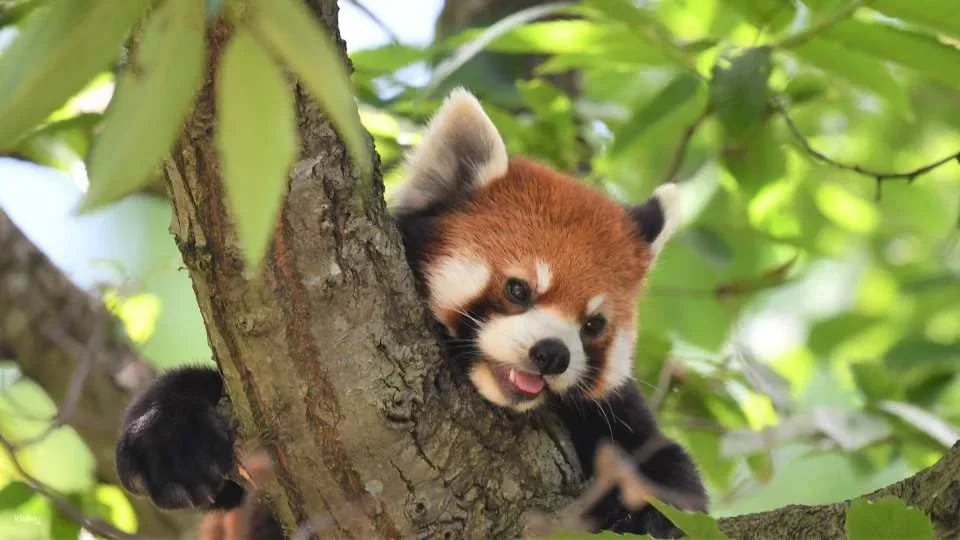
In Japan, woodlands that have been maintained by people in rural areas are called "satoyama." Japan boasts one of the world's highest levels of biodiversity, and these areas play a vital role in that. They are home to the Japanese raccoon dog and Japanese macaque, which have been familiar to the Japanese people since ancient times, as well as the Tsushima leopard cat, a species endemic to Japan.
The Amazon River, which traverses the Amazon rainforest, and the vast forests in its confluence zone, give rise to creeping roots and swamps. Animals that have evolved to suit the environment inhabit the area, such as bush dogs that roam the jungle and spectacled bears, the only bear species in South America. The "Exciting Plaza," featuring an okapi slide, is also very popular with children.
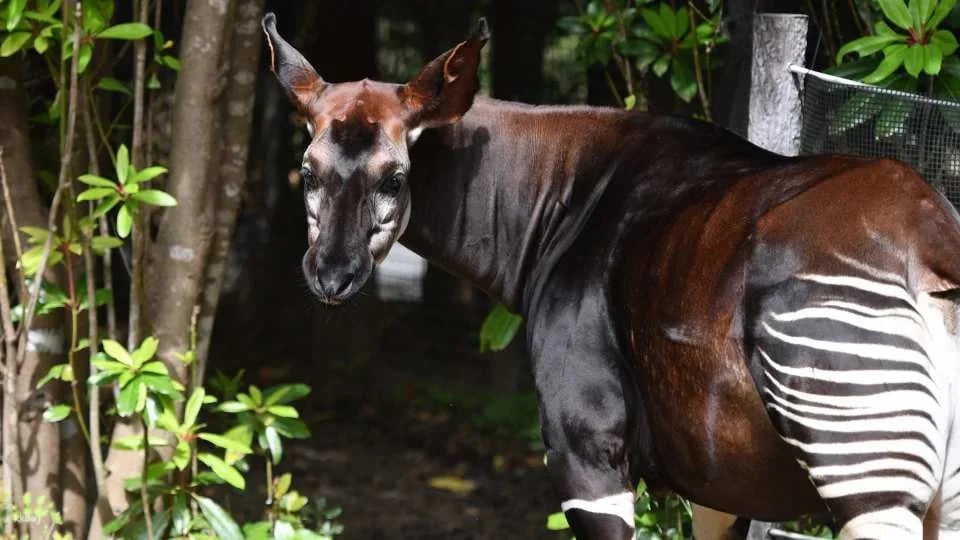
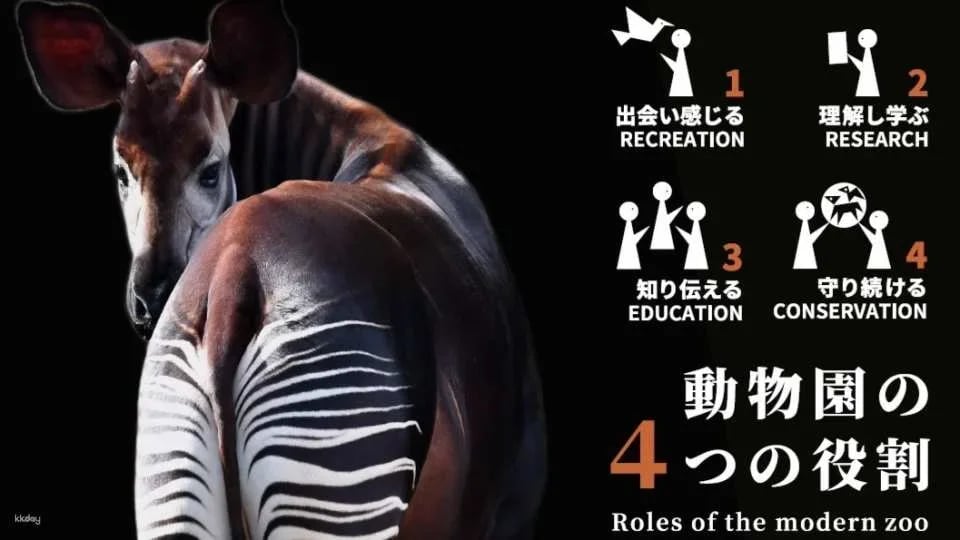
In the zone that recreates the Congo River basin in central Africa, you can find animals adapted to their habitat, including the okapi. You can feel like you're following in the footsteps of researchers by visiting areas such as the remains of an expedition camp and the "Chimpanzee Forest," which is modeled after a chimpanzee nature reserve.
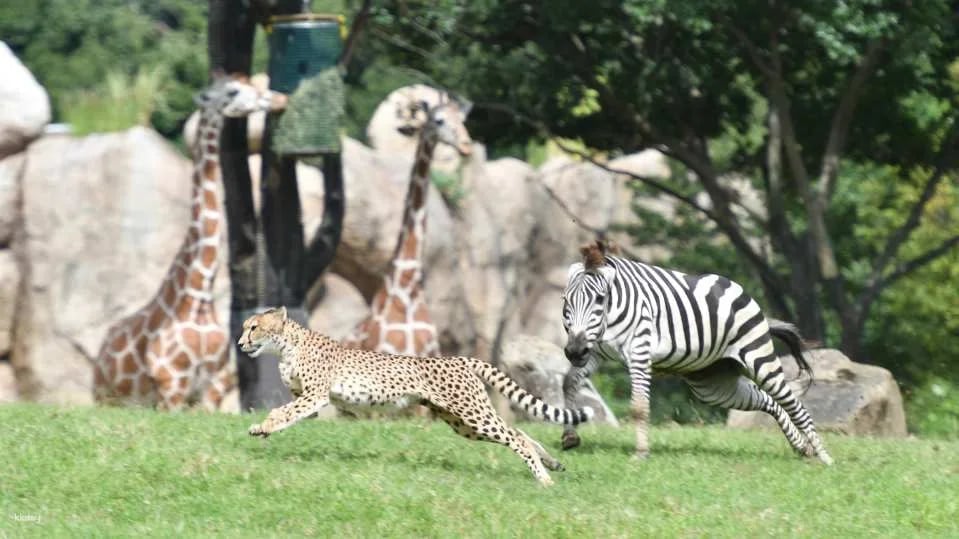
The aquarium recreates the typical African savanna landscape, including vast grasslands, sparse forests, wetlands, rocky areas, and surrounding grassland environments. Mixed exhibits of carnivorous and herbivorous animals allow visitors to observe their social behavior. Bird shows offer a chance to get up close and personal with the animals.
At the "Pakapaka Plaza" in Wanpaku no Mori (Playful Forest), feeding ponies and horseback riding are popular activities for young children. The "Nature Experience Forest," where you can enjoy seasonal flowers and wild birds, is also highly recommended. At "Korokoro Plaza," you can enjoy a picnic lunch.
Cancellation Policy
These tickets can't be rescheduled or cancelled.