Highlights
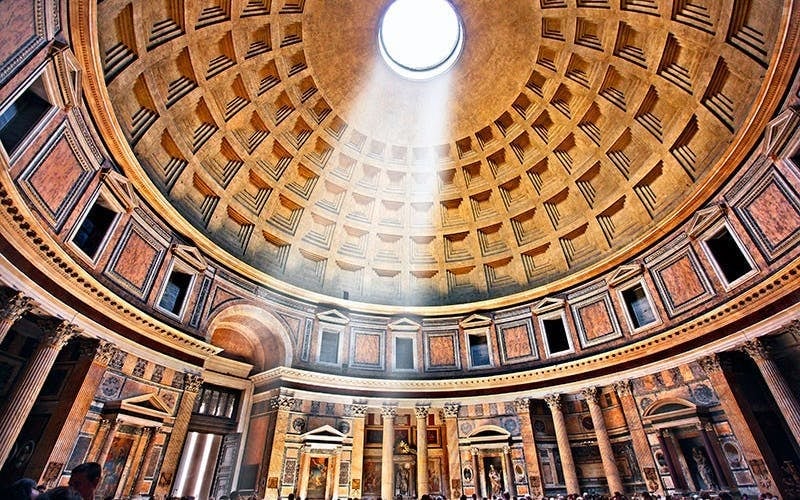
- Skip the line and enjoy immediate access to the Pantheon—reduced ticket-line waiting in regular queues.Step inside one of Rome’s best-preserved ancient buildings, dating back to 25–27 BC.The Pantheon’s monumental dome, still the world’s largest unreinforced concrete dome, is a true architectural marvel.Admire striking features like Corinthian columns, massive bronze doors, and the iconic oculus lighting the interior.Trace the Pantheon’s fascinating journey from Roman temple to Christian basilica since 609 AD.
Your Experience

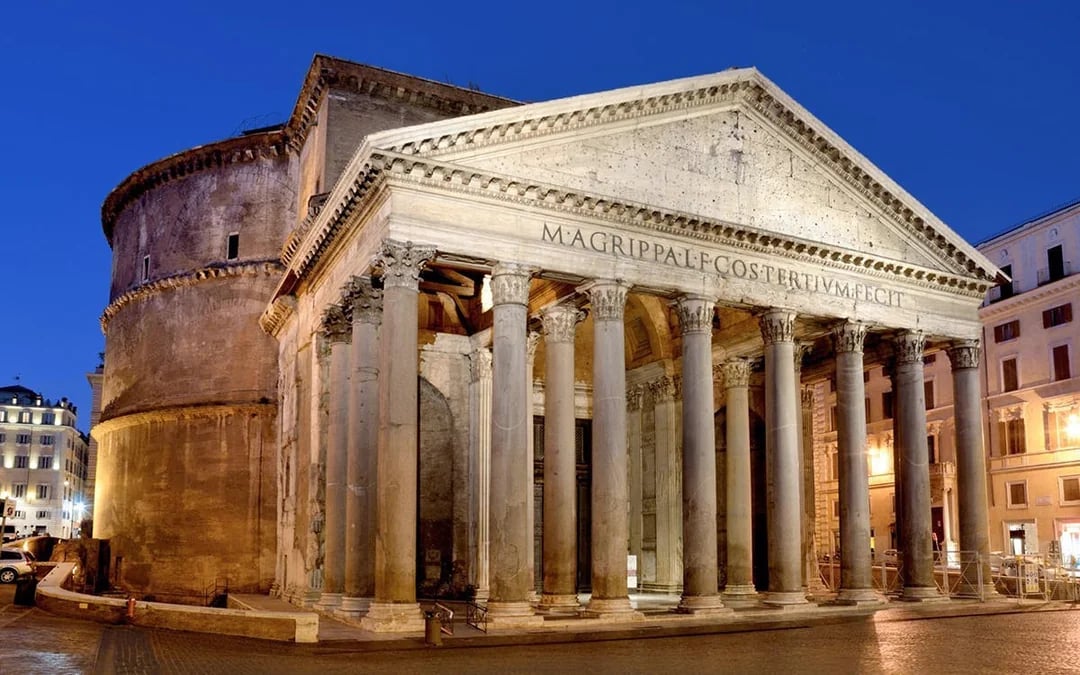
The Pantheon, originally a temple dedicated to all gods, was established between 25 and 27 BC by Marcus Vipsanius Agrippa, son-in-law of Divus Augustus. It suffered damage from 80 to 110 AD but underwent restoration by Hadrian between 118 and 125 AD. In the year 609, it was consecrated as the Basilica of St. Mary ad Martyres after being donated to Pope Boniface IV by Byzantine Emperor Phocas.
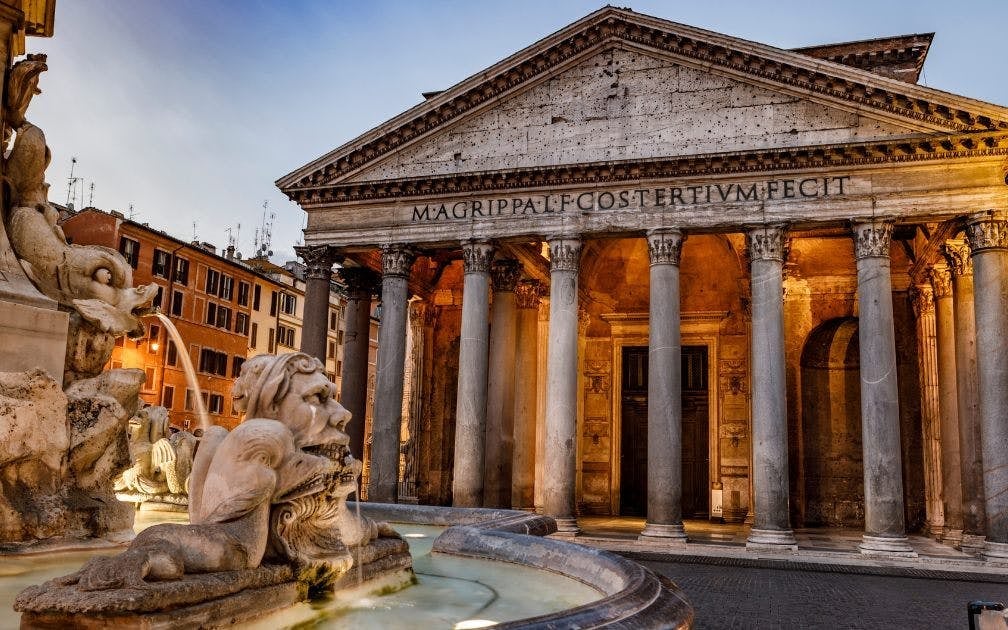
The pronaos is supported by sixteen Corinthian columns made from grey and pink granite. The three left flank columns were replaced in the 17th century under Popes Urban VIII and Alexander VII, using materials excavated for this purpose. An inscription on the pediment reads: M. AGRIPPA. L. F. COS. TERTIUM. FECIT (Marcus Agrippa, son of Lucius, consul for the third time). The entrance gate is 7.53 meters high and approximately 4.90 meters wide, featuring two bronze wings each weighing 7 tons.
The interior features a circular hall with both diameter and height measuring 43.30 meters. Its wall includes seven alternating rectangular and semicircular chapels interspersed with eight aedicules. The attic showcases windows and panels crafted by Paul Posi in 1757. A coffered dome culminates in a circular opening about 9 meters wide, functioning as an astronomical clock when sunlight enters through the oculus at noon, aligning perfectly on the doorway's axis. Rainwater entering via the dome’s oculus is channeled out through 22 holes located centrally on the floor.
Inclusions & Exclusions
- Entry: Tax-inclusive Pantheon Admission Ticket
- Tickets purchased cannot be exchanged, refunded, or cancelled under any circumstances.
This product offers multiple ticket options. Some items above (like transfers or fast-track access) may only apply to specific options — confirm what's included when you select yours.
Must Know
- The Pantheon is accessible for visitors with limited mobility.
- Your selected entry time during booking may be adjusted to the nearest available slot within opening hours if necessary.
- All ticket sales are final; tickets cannot be exchanged, refunded, or cancelled.
- Public transportation options are conveniently located nearby for easy access.
- Note that infants must sit on laps during your visit.
Ticket Delivery
- Your voucher will be emailed to you shortly.
- Display the voucher on your mobile phone with a valid photo ID at the starting point.
- Please check your final voucher for the starting point details & specific instructions.
Cancellation Policy
These tickets can't be rescheduled or cancelled.
Frequently asked questions
Clear answers to the most common questions travelers ask before booking this experience.