Highlights
- Explore the Renaissance and Baroque gardens of Prague with a friendly historian, uncovering the social, political, and religious influences throughout history.
- Discover the origins of large palace gardens in the 1500s, inspired by Emperor Ferdinand I’s fascination with Mediterranean and Italian Renaissance designs.
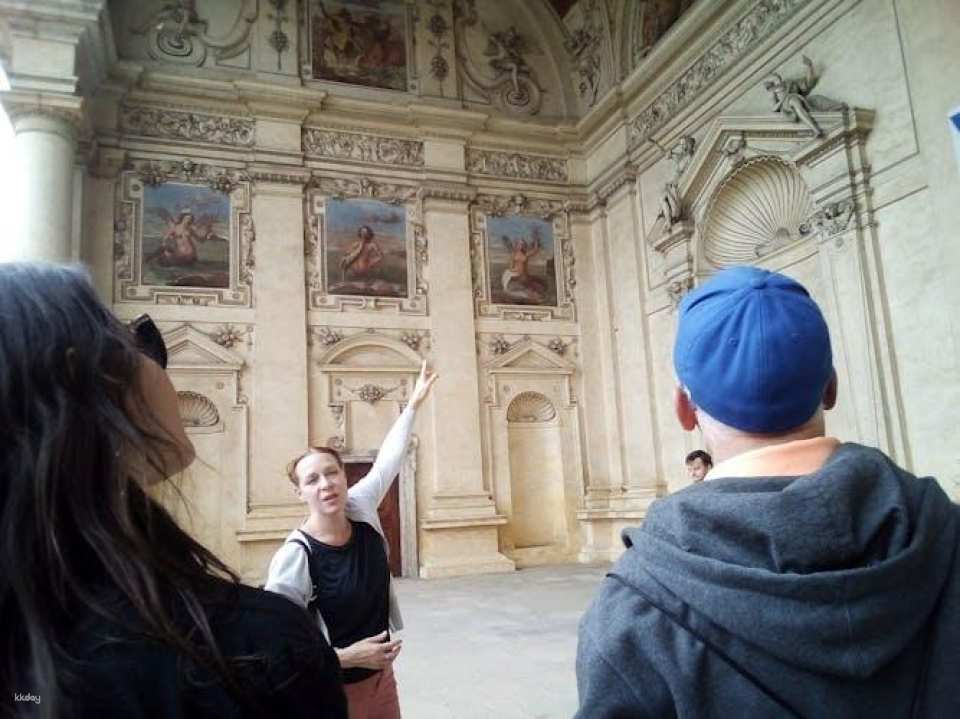
- Admire the Belvedere summer palace, commissioned by Ferdinand I for Queen Anne, featuring a relief of Ferdinand presenting her with a flower from the Royal gardens.
- Experience the Singing Fountain cast in 1564, where water drops resonate melodically, as you walk through historical sites like the Fig House and Orangery.
- Learn about the introduction of tulips to Europe by the Turkish Sultan of Constantinople, leading to Tulipomania in the 1630s.
Your Experience
Throughout history, gardens have mirrored the social, political and religious outlook of the times. Earlier Medieval gardens were primarily cultivating herbs for medicinal or culinary use and have only been preserved in certain Gothic cloisters.
Garden Evolution
Vineyards on the hills around Prague also date back to before Charles IV. But the idea of a large palace garden only emerged in the 1500s with Emperor Ferdinand I, who was particularly keen on the lush Mediterranean gardens inspired by the Italian Renaissance. Ferdinand’s fascinated reaction was to bring classicism north of the Alps, importing a formidable team of Italian gardeners and architects to the capital of Bohemia.
Key Features
In front of this pleasure palace is a Giardinetto with the so-called Singing Fountain cast in 1564 in bell bronze so that the dropping of water into the bowl causes it to resonate or “sing.” Our walk moves through the Fig House and the Orangery, where figs, almonds, oranges are cultivated.
Historical Insights
Towards the western end we consider how tulips, a hitherto unknown flower in Europe, were introduced to the Royal gardens as an exotic gift by the Turkish Sultan of Constantinople. The bulbs were later exported throughout Europe, including the Netherlands where they reached extraordinary popularity ultimately causing Tulipomania crash, the tulip bulb speculative bubble of the 1630s!
Exploration Highlights
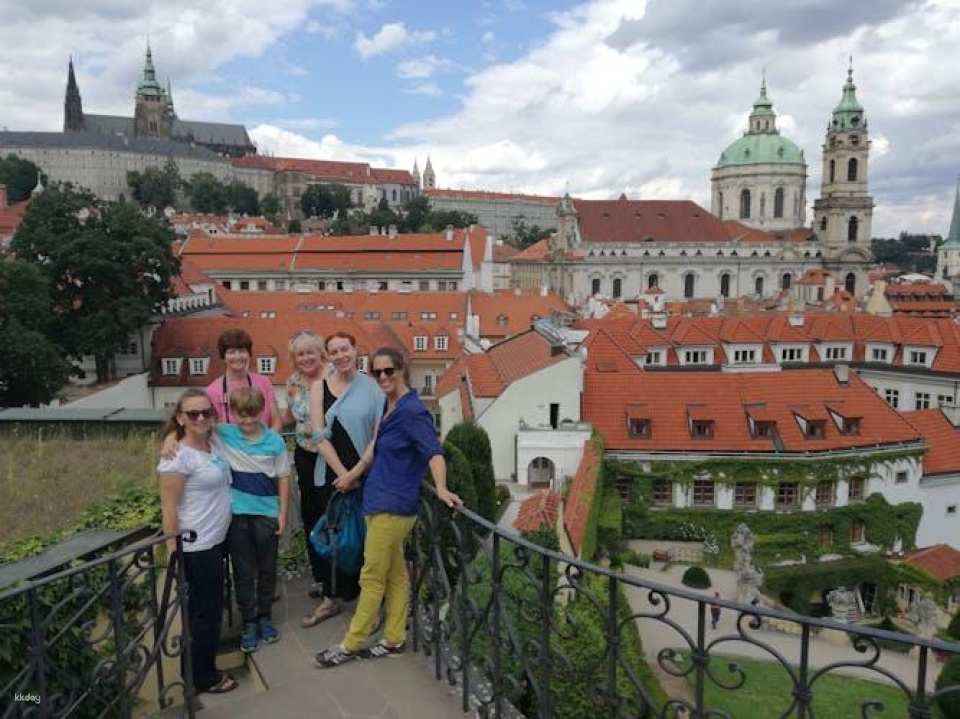
We admire the stag moat, before crossing through the castle courtyards and descending the Bull Stairs to the South Gardens. After visiting a few of the sites in the Garden of Paradise and the Garden on the Bulwark, we will walk down the hill through a collection of lovely terraced gardens below the castle.
Grand Finale
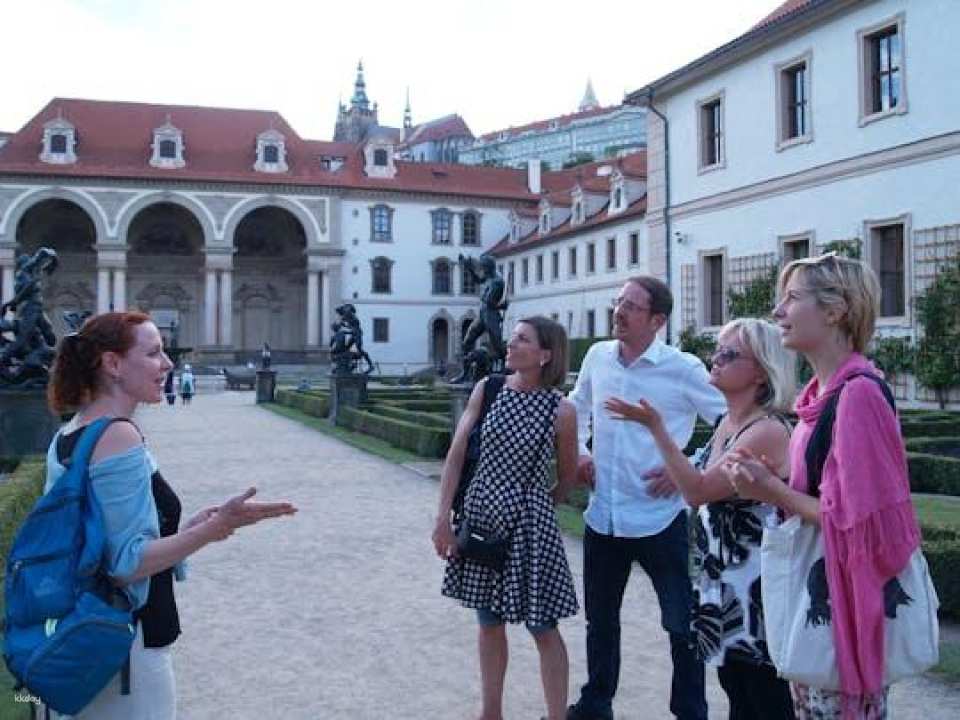
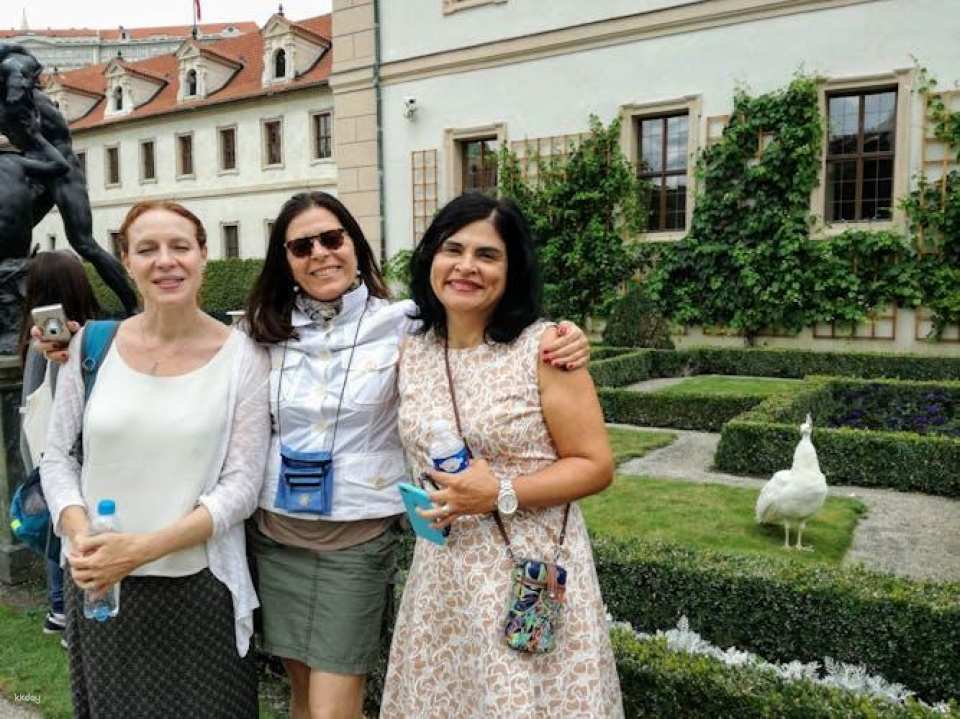
At the bottom of the hill is the breathtaking and grand Wallenstein Garden, with its albino peacocks, mannerist statues, grotto wall and mythical fountains. As a graceful conclusion, we help you to encounter the Vrtba Garden, a hidden gem of a Baroque walled garden from 1720 in Lesser Town (Mala Strana), rarely seen by visitors to Prague even though it provides a luminous glimpse into life of nobility in the 18th century.
Must Know
- Please refer to your voucher for final information regarding meeting points, pick-up locations, and pick-up time
- Meeting point description: Your group will then take the 22 tram together to get to Castle Gardens(Bagel Lounge Malostranská, Letenská, Malá Strana, Czechia)
- The gardens are closed during the winter season from November to March
Cancellation Policy
These tickets can't be rescheduled or cancelled.