Traveler reviews
Choose your package
Select an option to see its live dates and timings.
Highlights
- Explore the National Scenic Spot Ninna-ji Temple Gardens to experience a precious cultural landscape blending Edo and Meiji garden design techniques.
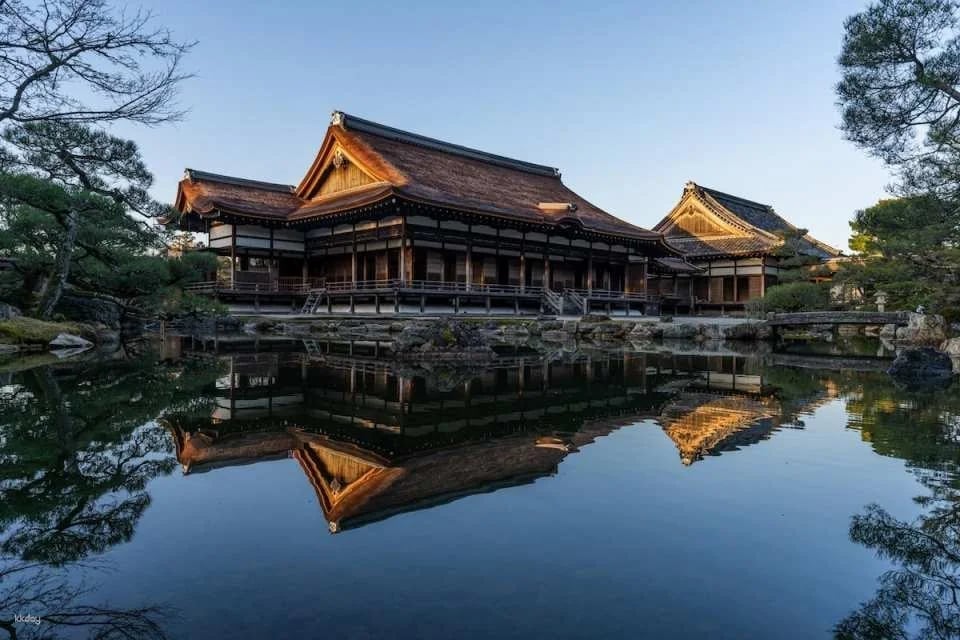
- Enjoy the elegant layout of the southern garden with white sand pine trees and cherry blossoms, set in the tranquil beauty of the traditional Imperial Palace garden.
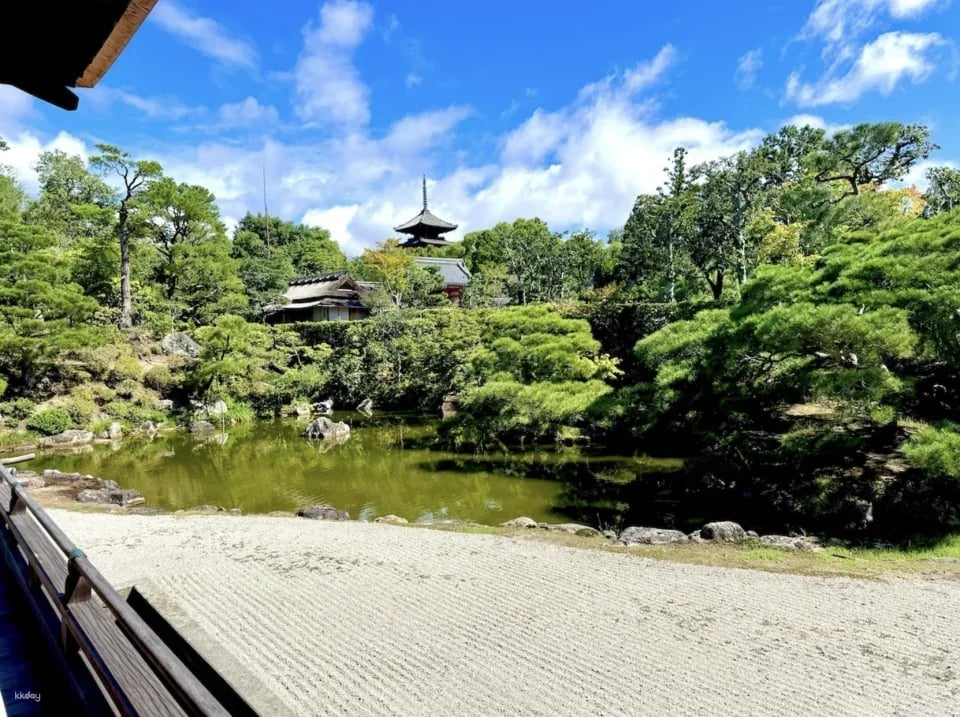
- Stroll through the North Garden, featuring a pond and spring, while admiring stone bridges, waterfall rock formations, and cultural relics like Feitao Pavilion and the five-story pagoda.
- Discover Ninna-ji Temple's deep history and garden art as a World Heritage Site in Kyoto by booking tickets through Traviia.
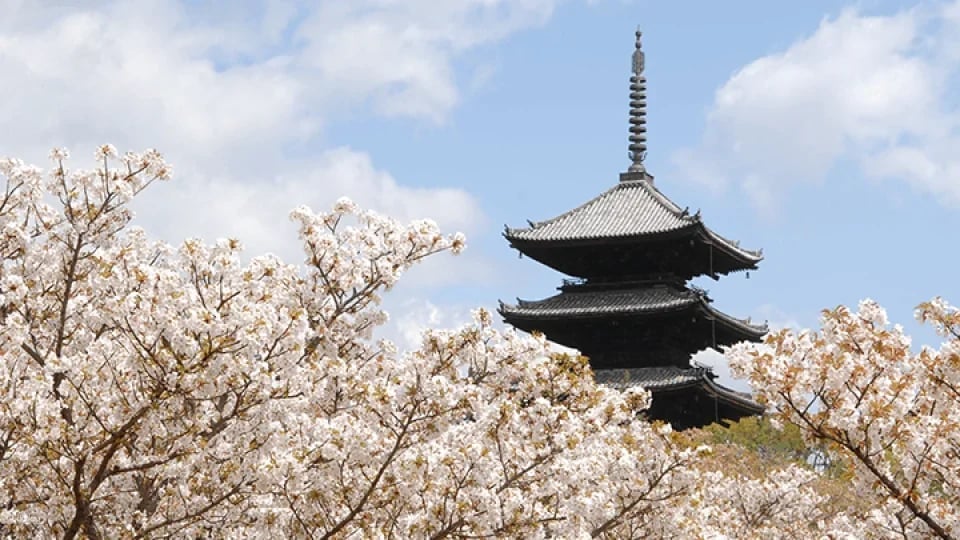
- Admire the Omuro cherry blossoms at their peak viewing period around mid-April, renowned for their late blooming and historical significance since the Edo period.
Your Experience
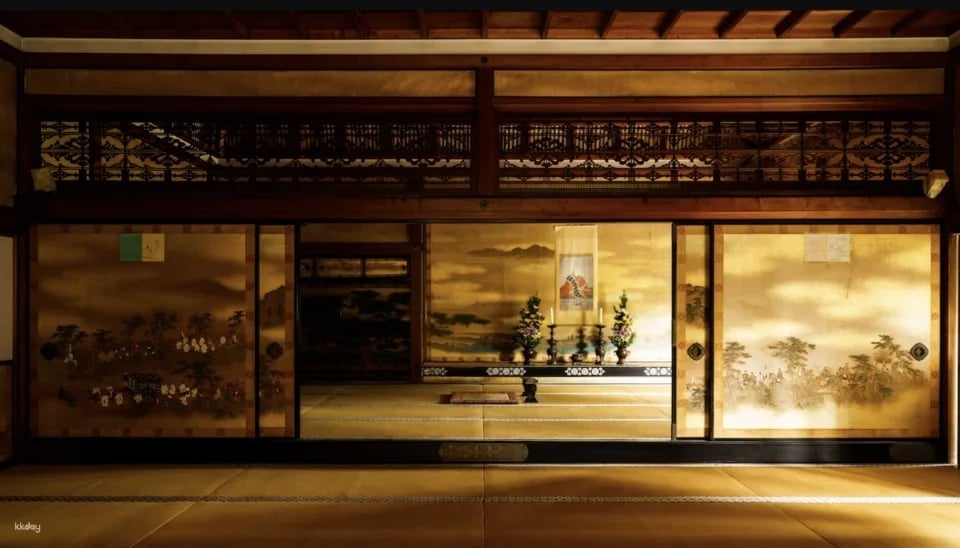
The admission fee for Ninna-ji Temple will be used for the maintenance and management of its cultural properties. Those holding a disability certificate can be exempted from this fee by presenting their certificate.
Attraction Introduction
Ninna-ji Temple, founded in 888 AD, is now the head temple of the Omuro school of Shingon Buddhism. The temple grounds preserve many historical buildings from the Edo period, including the five-story pagoda and the Niōmon Gate.
Cherry Blossoms
The Omuro cherry blossoms, planted around the same time as the temple's founding, reach their peak viewing period around mid-April each year. These blossoms have been beloved since the Edo period and frequently appear in waka poems.
- Every spring, Ninna-ji Temple is adorned with beautiful cherry blossoms.
- The Somei Yoshino cherry blossoms in front of the Golden Hall and the weeping cherry blossoms in front of the Bell Tower are also notable.
- The "Omuro cherry blossoms" on the west side inside the Middle Gate are particularly famous.
Designation and Features
Ninna-ji Temple was designated a World Heritage Site in 1994 (Heisei 6). The Omuro cherry blossom was also designated a National Scenic Spot of Japan in 1924 (Taisho 13).
Garden Experience
Visitors can explore the National Scenic Spot Ninna-ji Temple Gardens, which blend garden design techniques from the Edo and Meiji periods. The southern garden features an elegant layout with white sand pine trees and cherry blossoms, while the North Garden includes a pond, spring, stone bridges, waterfall rock formations, Feitao Pavilion, and a five-story pagoda.
Light Show Event
The "Green Maple Cloud Sea Light Show" is a special early summer event that combines Ninna-ji Temple's autumn leaves with a dreamlike sea of clouds for a light show. As the sun sets, the sky and the National Treasure Golden Hall merge into one, creating a scene full of fantasy.
Booking Information
Easily explore the deep history and garden art of Ninna-ji Temple, a World Heritage Site in Kyoto, by booking tickets through Traviia.
Cancellation Policy
These tickets can't be rescheduled or cancelled.