Gallery
Find your best option
Choose your package
Select an option to see its live dates and timings.
Highlights
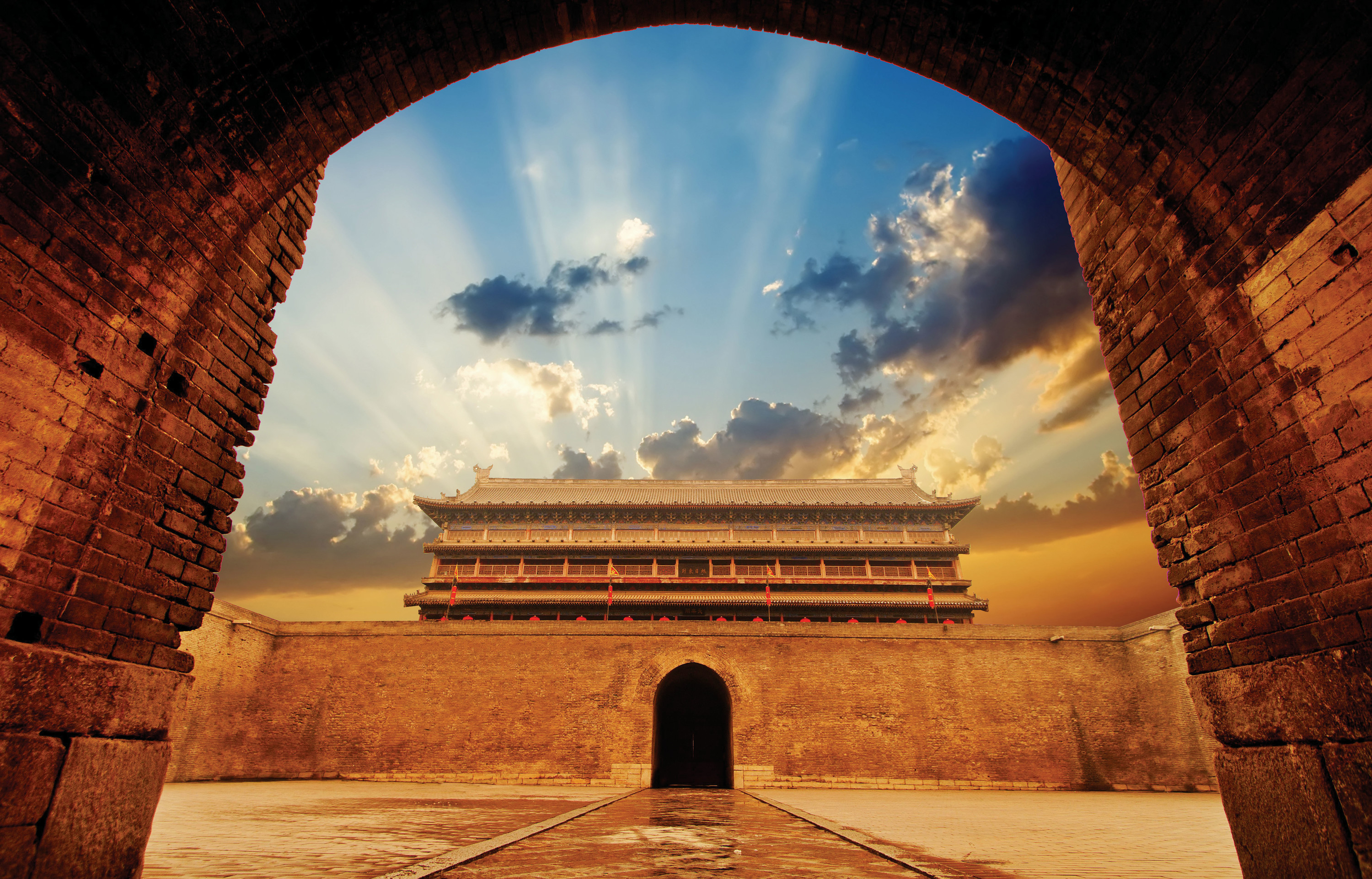
- The Xi'an City Wall is a landmark of the ancient capital Xi'an and one of the best-preserved ancient city walls in China. It is approximately 14 kilometers long and was built on the foundation of the Tang Dynasty imperial city, including a moat, corner towers, and a series of other facilities.
- The Xi'an City Wall, also known as the Xi'an Ming City Wall, is a Ming Dynasty construction. The existing wall is 13.7 kilometers long, construction began in the third year of Hongwu (1370) under Emperor Hongwu of the Ming Dynasty, and was completed in the eleventh year of Hongwu (1378). It was built on the foundations of the Sui and Tang imperial cities, guided by Emperor Hongwu's policy of "building high walls, accumulating vast provisions, and delaying claiming kingship." Later, Emperor Hongwu Zhu Yuanzhang enfeoffed his second son, Zhu Shuang, as the Prince of Qin, with his fiefdom and administration located in the same city, resulting in a grand and sturdy city. Coupled with subsequent repairs and additions during the Ming and Qing dynasties, it remains well-preserved to this day. In early 2004, during the construction of the road project for the Hanguang Gate section of the Xi'an City Wall, the Shaanxi Provincial Institute of Cultural Heritage was commissioned by relevant departments to assist with the project. They conducted an archaeological survey of the exposed section of the city wall, identifying its complex structure, spanning from the Sui and Tang dynasties to modern times, having undergone five major renovations, and possessing significant historical value.
Your Experience
- The Xi'an City Wall is a landmark of the ancient capital Xi'an and one of the best-preserved ancient city walls in China. It is approximately 14 kilometers long and was built on the foundation of the Tang Dynasty imperial city, including a moat, corner towers, and a series of other facilities.
- The Xi'an City Wall, also known as the Xi'an Ming City Wall, is a Ming Dynasty construction. The existing wall is 13.7 kilometers long, construction began in the third year of Hongwu (1370) under Emperor Hongwu of the Ming Dynasty, and was completed in the eleventh year of Hongwu (1378). It was built on the foundations of the Sui and Tang imperial cities, guided by Emperor Hongwu's policy of "building high walls, accumulating vast provisions, and delaying claiming kingship." Later, Emperor Hongwu Zhu Yuanzhang enfeoffed his second son, Zhu Shuang, as the Prince of Qin, with his fiefdom and administration located in the same city, resulting in a grand and sturdy city. Coupled with subsequent repairs and additions during the Ming and Qing dynasties, it remains well-preserved to this day. In early 2004, during the construction of the road project for the Hanguang Gate section of the Xi'an City Wall, the Shaanxi Provincial Institute of Cultural Heritage was commissioned by relevant departments to assist with the project. They conducted an archaeological survey of the exposed section of the city wall, identifying its complex structure, spanning from the Sui and Tang dynasties to modern times, having undergone five major renovations, and possessing significant historical value.
Must Know
- Open all year round from 08:00-22:00
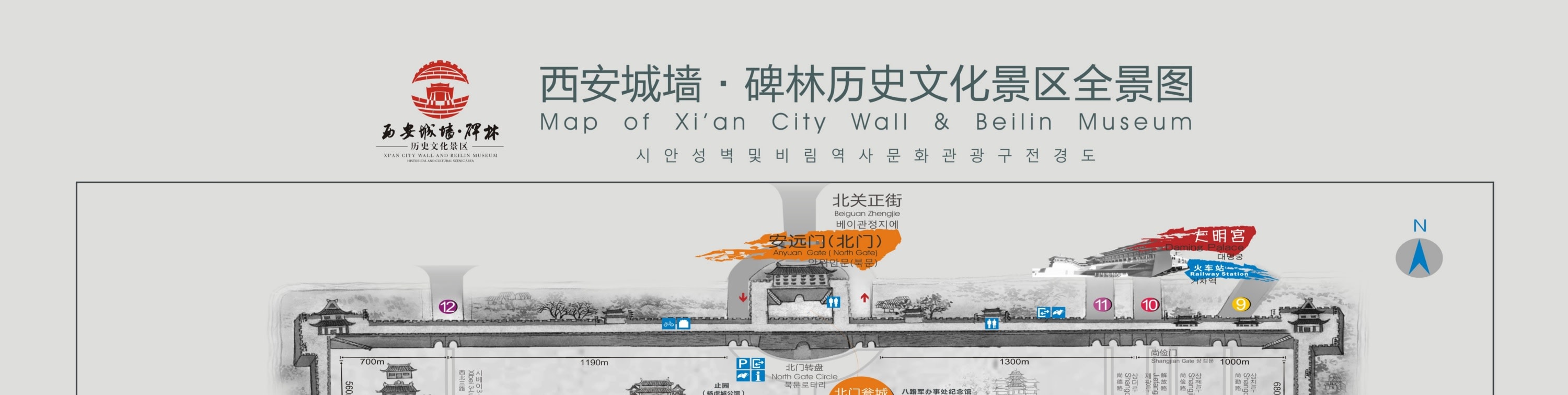
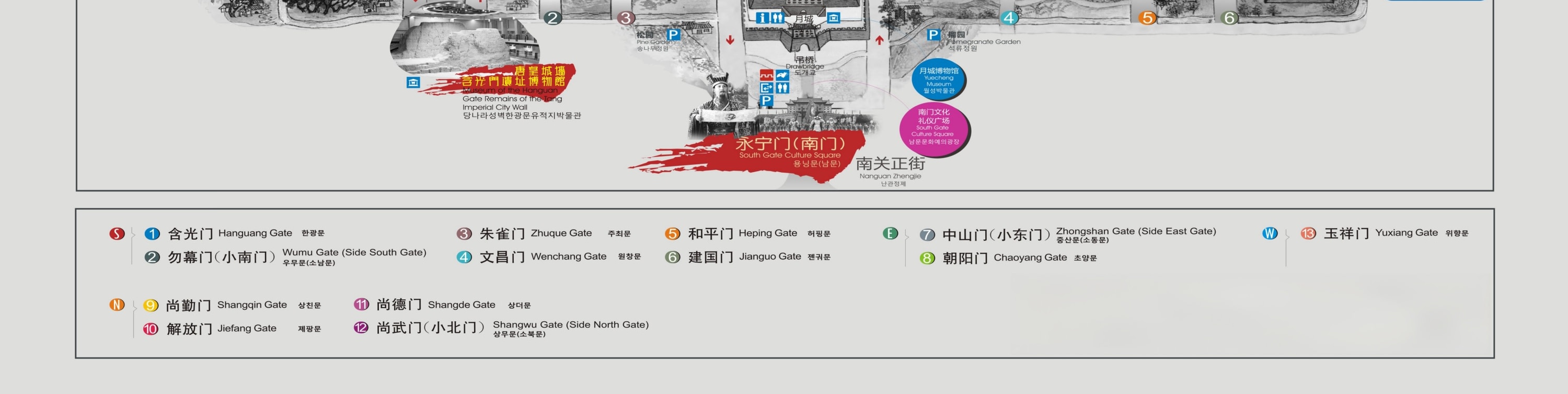
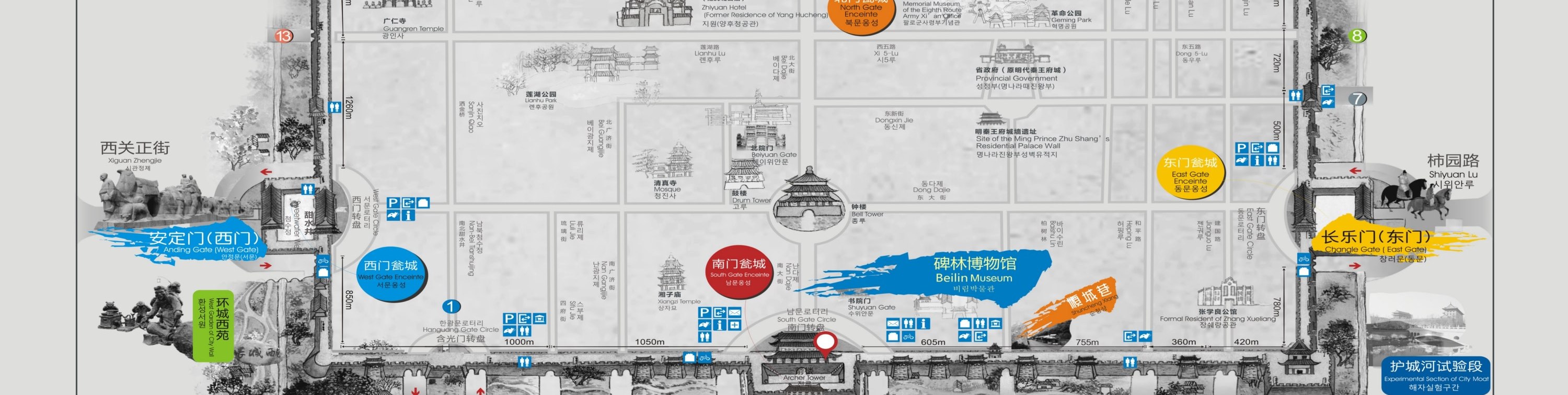
- 8:00-22:00: Yongning Gate (South Gate) South Entrance, Yongning Gate (South Gate) North Entrance, Zhongshan Gate (Xiaodong Gate), Jianguo Gate
- 8:00-20:00: Changle Gate (East Gate), Anding Gate (West Gate), Anyuan Gate (North Gate), Wenchang Gate, Hanguang Gate, Northwest City Corner Entrance, Northeast City Corner Entrance, Shangde Gate
- The Xi'an City Wall is a landmark of the ancient capital Xi'an and one of the best-preserved ancient city walls in China. It is approximately 14 kilometers long and was built on the foundation of the Tang Dynasty imperial city, including a moat, corner towers, and a series of other facilities.
- The Xi'an City Wall, also known as the Xi'an Ming City Wall, is a Ming Dynasty construction. The existing wall is 13.7 kilometers long, construction began in the third year of Hongwu (1370) under Emperor Hongwu of the Ming Dynasty, and was completed in the eleventh year of Hongwu (1378). It was built on the foundations of the Sui and Tang imperial cities, guided by Emperor Hongwu's policy of "building high walls, accumulating vast provisions, and delaying claiming kingship." Later, Emperor Hongwu Zhu Yuanzhang enfeoffed his second son, Zhu Shuang, as the Prince of Qin, with his fiefdom and administration located in the same city, resulting in a grand and sturdy city. Coupled with subsequent repairs and additions during the Ming and Qing dynasties, it remains well-preserved to this day. In early 2004, during the construction of the road project for the Hanguang Gate section of the Xi'an City Wall, the Shaanxi Provincial Institute of Cultural Heritage was commissioned by relevant departments to assist with the project. They conducted an archaeological survey of the exposed section of the city wall, identifying its complex structure, spanning from the Sui and Tang dynasties to modern times, having undergone five major renovations, and possessing significant historical value.
- Things to note
- Duration of Play**: Core tour 2-3 hours, check in at Yongning Gate, Changle Gate, and the Bell Tower for a linked scenic view.
- Outfit for Photos**: Light-colored clothing works best for photos; the light show at night is even better.
- Safety Red Line**: The city wall walkway is narrow; climbing railings and chasing/playing are strictly prohibited; please look after the elderly and children.
- General Information**: Tickets are valid for a single entry; re-entry after leaving the park requires a new ticket purchase; opening hours may be temporarily adjusted during extreme weather.
- Best Times (Preferred) 17:00-20:00 (Evening + Night View): Avoid the scorching sun, watch the sunset + city wall light show, great for photos, most comfortable experience. 08:00-10:00 (Early Morning): Fewer people, quiet, soft light, suitable for walking and cycling.
- The entire cycling route takes approximately 1.5 hours. Ascend the city wall 1 hour before sunset to enjoy both daytime scenery and night views, offering the best value for money.
Cancellation Policy
These tickets can't be rescheduled or cancelled.